
Houseplant Care for New England Winters
As the temperatures drop in New England, it’s important to adjust your houseplant care routine to keep your indoor plants healthy throughout the colder months. From bringing tropical plants indoors before temperatures get too cold to adjusting your watering schedule, a few simple steps can help your plants thrive all winter long.
Bring Houseplants Indoors Before the First Frost
Before the first frost arrives, bring your houseplants and tropical plants indoors to protect them from cold temperatures. Many tropical plants can begin to suffer damage when temperatures drop below 50°F, so it's best to bring them inside before nights get too chilly.
Before moving them indoors, inspect your plants for pests and treat them as needed to avoid introducing insects to your other houseplants.
Insecticides such as Bonide Eight may be an option for certain pests, but always check that the specific product is labeled for indoor use and is appropriate for your plant. For a more natural approach, consider insecticidal soap or neem oil, following the product instructions and checking that the treatment is appropriate for your plant.
Adjust Your Watering and Fertilizing Schedule
During the colder New England months, many houseplants grow more slowly because of reduced daylight and lower light levels indoors. As a result, they generally need less water than they do during the spring and summer.
Always check the soil moisture before watering, and avoid keeping your plants too wet, as excess moisture can lead to root rot.
Fertilizing should generally be paused or reduced when plant growth slows during the winter months. Houseplants that continue actively growing may still benefit from occasional feeding. Resume regular fertilizing in spring as daylight increases and new growth begins.
Increase Humidity for Tropical Houseplants
Many tropical houseplants thrive in higher humidity, but indoor heating can make the air especially dry during winter.
To help maintain humidity around your plants, consider using a humidifier. Another option is to place a shallow tray filled with small pebbles and water near your plants, although this generally provides only a small increase in humidity. Keep the water level below the top of the pebbles so the bottom of the pot does not sit directly in the water.
These simple adjustments can help create a more comfortable environment for tropical plants during the dry winter months.
Protect Houseplants from Cold Windows and Drafts
Cold New England winters can be stressful for indoor plants, especially those placed close to chilly windows. Move sensitive plants away from cold window glass when possible, particularly if you have older, single-pane windows.
Also, keep plants away from cold drafts, frequently opened exterior doors, and direct contact with freezing glass. These precautions can help reduce temperature stress, wilting, and leaf damage.
Make sure your plants still receive enough natural light, and rotate them occasionally if needed to encourage even growth.
How to Prevent Brown Tips on Houseplant Leaves
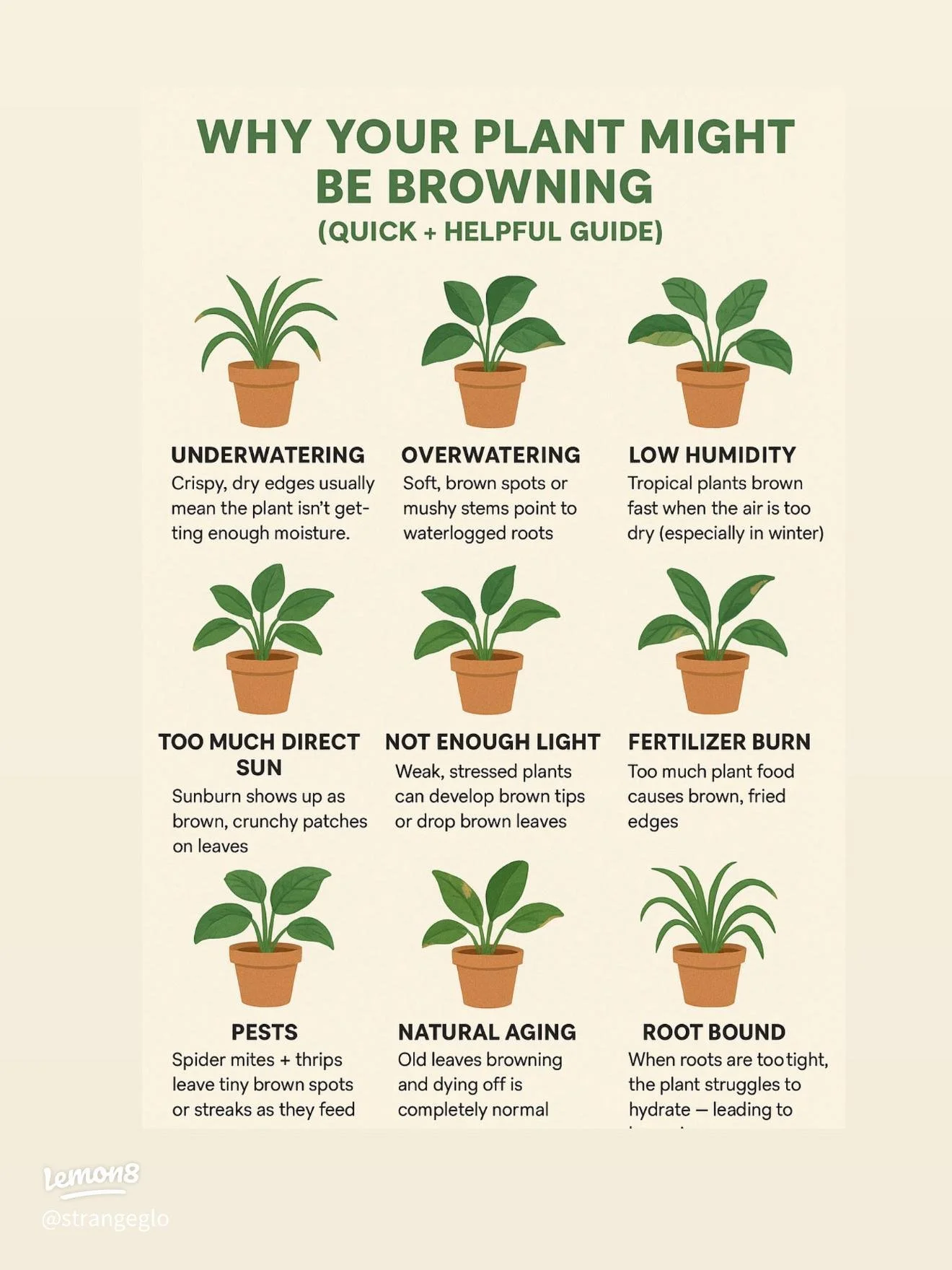
Are you noticing brown tips on your houseplant leaves? Dry indoor air, inconsistent watering, fertilizer buildup, and minerals or salts in tap water can all contribute to this common problem.
You can carefully trim the brown portions of the leaves with clean scissors to improve your plant's appearance. However, trimming alone will not address the underlying cause.
If you suspect mineral or salt buildup from tap water, try using distilled water, particularly for plants sensitive to minerals, and monitor your plant for improvement. Be sure to maintain an appropriate watering routine and avoid overfertilizing.
Remember that brown leaf tips can have several causes, so consider your plant's humidity, watering habits, and growing conditions before deciding on a solution.
Keep Your Houseplants Healthy All Winter Long
With a few seasonal adjustments, you can help your houseplants thrive through the New England winter. Bring plants indoors before temperatures get too cold, adjust watering and fertilizing, provide adequate humidity, and protect foliage from cold windows and drafts.
A little extra attention during the colder months will help your indoor garden stay healthy and ready for fresh growth when spring arrives.
If you're unsure about caring for your houseplants this winter, stop by A. Thomas & Sons Garden Center in Milton, Massachusetts. Our knowledgeable staff is always happy to help with plant care questions and recommendations.
Don't Miss Our Houseplant Sale!
Looking to add some greenery to your home this winter? Now is a great time to stop by! All houseplants are currently 25% off, with select tropical plants marked down 50–75%!
Stop by A. Thomas & Sons to explore our selection and take advantage of these seasonal savings while they last!
